
Youth leaders in Ibanda District have been urged to shift focus from pursuing leadership positions to creating employment opportunities and building sustainable livelihoods through entrepreneurship and productive ventures.
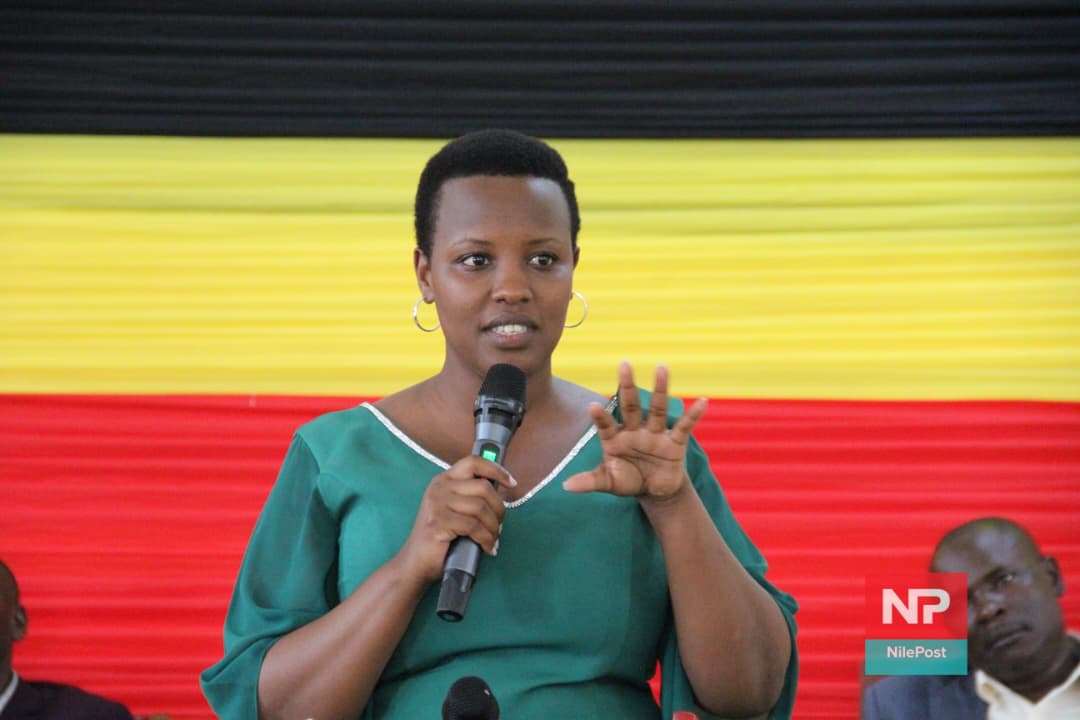
The call was made by the National Female Youth Member of Parliament, Mercy Kanyesigye, on Tuesday during an orientation meeting held at the Ibanda District Headquarters under the theme: “Empowering Youth Leaders for Sustainable District Development.”
Kanyesigye emphasized that government employment opportunities remain limited and encouraged young people to embrace entrepreneurship and commercial agriculture as alternative sources of income.
“Government jobs alone cannot absorb the growing number of young people entering the labour market. Youth must become innovators, entrepreneurs and wealth creators if they are to secure their future,” she said.
She urged youth leaders to set an example for their peers by engaging in productive economic activities rather than relying on formal employment.
“We need young leaders who are role models in wealth creation and who can mobilise fellow youth to engage in income-generating activities that improve household livelihoods,” she added.
Kanyesigye also cautioned young people against excessive and unproductive use of social media, saying it is negatively affecting productivity among the youth.
“Social media should be used as a tool for learning, networking and accessing opportunities, not as a platform that distracts young people from meaningful economic activities,” she noted.
She further encouraged youth to take advantage of government livelihood and empowerment programmes aimed at boosting household incomes and reducing poverty.
The Ibanda Resident District Commissioner, Godfrey Mbetegyereize, reminded youth leaders that the four principles of the National Resistance Movement—patriotism, Pan-Africanism, socio-economic transformation and democracy—remain central to national development.
“Our young leaders should embrace these values and actively participate in transforming their communities through responsible leadership and improved service delivery,” he said.
Kanyesigye’s remarks come against the backdrop of persistent youth unemployment challenges in Uganda, despite ongoing government interventions.
Data from the Uganda Bureau of Statistics shows that youth unemployment stands at approximately 16.1 percent among individuals aged 18 to 30, with young women more affected than young men.
Nationally, between 41 and 48.8 percent of young people are classified as NEET (Not in Employment, Education or Training), while an estimated 700,000 to one million youths enter the labour market annually, further increasing pressure on available jobs.
The majority of employed youth continue to work in the informal sector, often under unstable and low-paying conditions.
In Ibanda District, NEET rates stand at about 36 percent among youth aged 18 to 30, while the broader Ankole sub-region records a NEET rate of 39.8 percent, according to official data.
Leaders at the meeting expressed optimism that strengthening youth skills development, entrepreneurship, and responsible leadership will help reduce unemployment pressures and drive sustainable district development.
